Static Character: Definition, Examples & How to Write One
A character does not have to transform to be interesting.
Some of fiction’s most memorable characters remain remarkably consistent from the first page to the last. They may face danger, lose people they love, win battles, solve mysteries, influence other characters, or even die but their fundamental beliefs, personality, or worldview remain largely unchanged.
These are static characters.
And despite what the word “static” might suggest, a static character does not have to be boring, passive, simple, or poorly written.
Sherlock Holmes can remain Sherlock Holmes.
Atticus Finch can remain morally steadfast.
Voldemort can remain obsessed with power and immortality.
A villain can refuse every opportunity to change.
A mentor can remain the moral compass while everyone around them transforms.
The important question is not:
“Does anything happen to this character?”
It is:
“Does what happens fundamentally change who this character is?”
If the answer is no, you are probably dealing with a static character.
In this guide, you’ll learn:
- What is a static character?
- The difference between static vs dynamic characters
- The difference between a static character and a flat character
- The four major combinations of static, dynamic, round, and flat characters
- Why writers deliberately use static characters
- How to write a compelling static character
- How to write an effective dynamic character
- 15 famous static character examples
- When a supposedly static character is actually dynamic
- How to test your own characters
- Common mistakes writers make
- How to use static characters to strengthen a protagonist’s character arc
What Is a Static Character?
The simplest static character definition is:
A static character is a character who does not undergo a meaningful internal change during the story.
Their circumstances may change dramatically.
They may:
- Fall in love
- Lose a battle
- Solve a crime
- Become rich
- Lose everything
- Travel across the world
- Survive a war
- Defeat an enemy
- Experience tragedy
But if their underlying personality, beliefs, values, worldview, or sense of self remains essentially the same, they can still be a static character.
That distinction matters.
Imagine two detectives investigating the same murder.
Detective A
At the beginning, she believes emotions interfere with rational decision-making.
During the investigation, she is forced to trust another person and realizes that empathy can reveal truths logic alone cannot.
By the end, her worldview has changed.
She is a dynamic character.
Detective B
At the beginning, he is methodical, emotionally detached, extraordinarily confident, and obsessed with solving puzzles.
He faces danger, betrayal, and failure during the investigation.
By the end, he is still methodical, detached, confident, and obsessed with solving puzzles.
He may have experienced an exciting plot.
But internally, he is still essentially the same person.
He is a static character.
That is why character development should never be confused with simply giving a character things to do.
Static Character vs. Dynamic Character
The easiest way to understand a static character is to compare one with a dynamic character.
| Character Type | What Happens Internally? | Typical Result |
| Static character | Core beliefs/personality remain largely unchanged | Character stays fundamentally the same |
| Dynamic character | Experiences meaningful internal change | Character finishes psychologically different |
A dynamic character undergoes an important internal transformation as a consequence of the story.
The change might involve:
- Values
- Beliefs
- Confidence
- Morality
- Identity
- Relationships
- Fear
- Prejudice
- Ambition
- Self-perception
- Understanding of the world
Importantly, a dynamic character does not have to become a better person.
Character change can be positive or negative.
Positive dynamic arc
A coward becomes courageous.
A selfish person learns compassion.
A cynical person learns to trust.
Negative dynamic arc
An idealistic person becomes corrupt.
A loving person becomes consumed by revenge.
An ambitious person becomes obsessed with power.
Static arc
A courageous person remains courageous despite overwhelming pressure.
A greedy person remains greedy even when given opportunities to change.
A principled person refuses to compromise their beliefs.
That last category can be just as powerful as transformation.
A Simple Static vs. Dynamic Character Test
Compare your character on page one with the same character near the end.
Ask:
- What do they believe at the beginning?
- What do they believe at the end?
- Has their worldview changed?
- Has their understanding of themselves changed?
- Has their central fear changed?
- Have their values changed?
- Would the person from Chapter 1 make substantially different choices from the person in the final chapter?
If the answer to most of those questions is no, you probably have a static character.
If the answer is yes, you probably have a dynamic character.
But there is another distinction writers often confuse with this one.
Static Character vs. Flat Character: They Are Not the Same Thing
One of the most important things to understand about characterization is:
Static does not mean flat.
And:
Dynamic does not automatically mean round.
The two sets of terms measure completely different things.
Static vs. dynamic asks:
Does the character change?
Round vs. flat asks:
How psychologically complex is the character?
That creates four possible combinations.
| Flat Character | Round Character | |
| Static Character | Simple and unchanged | Complex but unchanged |
| Dynamic Character | Simple but undergoes a change | Complex and undergoes a change |
Understanding this distinction immediately improves character design.
What Is a Flat Character?
A flat character has relatively little psychological complexity.
They may be built around:
- One dominant personality trait
- One function in the story
- One recognizable motivation
- One comic characteristic
- One symbolic role
A rude waiter who appears in one scene does not need a childhood trauma, secret ambition, complicated marriage, and existential crisis.
Their job might simply be to make your protagonist angry.
That character can be perfectly effective.
The problem comes when a character who needs depth is written as though they do not.
What Is a Round Character?
A round character feels psychologically layered.
They may possess:
- Contradictory desires
- Strengths and weaknesses
- Past experiences
- Private fears
- Goals
- Moral contradictions
- Emotional wounds
- Complicated relationships
- Internal conflict
A round character can still remain static.
That is crucial.
A character might have a fascinating history, complicated motives, sympathetic qualities, serious flaws, meaningful relationships, and a distinctive personality—
and still refuse to change.
That gives us the round static character.
What Is a Round Static Character?
A round static character is psychologically complex but remains fundamentally unchanged during the story.
Consider a morally principled mentor.
You may understand:
- Why they believe what they believe
- What they fear
- Their history
- Their failures
- Their family
- Their contradictions
- Their vulnerabilities
The story might test their principles repeatedly.
Yet they remain committed to those principles.
They are round because they have depth.
They are static because they do not fundamentally change.
This is one reason static characters can be extremely memorable.
The reader does not always need to watch them transform.
Sometimes the pleasure comes from discovering why they refuse to transform.
The Four Character Types Explained
Writers often encounter four related terms:
1. Static Character
A static character experiences little or no meaningful internal change during the story.
2. Dynamic Character
A dynamic character undergoes significant internal change because of the events of the story.
3. Flat Character
A flat character has limited psychological complexity and is often built around a small number of defining traits.
4. Round Character
A round character is psychologically developed, with motivations, contradictions, strengths, weaknesses, desires, and flaws.
These categories are not mutually exclusive.
A character can be:
Static + Round
or
Static + Flat
or
Dynamic + Round
or even
Dynamic + relatively Flat
The most useful way to remember it is:
Static/Dynamic = change
Flat/Round = depth
Why Use Static Characters?
If readers often enjoy character development, why deliberately create someone who does not change?
Because change is only meaningful when contrasted against something that stays the same.
A good static character can perform several important storytelling functions.
1. A Static Character Can Act as a Foil
A foil makes another character’s qualities more visible through comparison.
Imagine two brothers who begin a novel equally obsessed with status.
Both lose their money.
Brother A learns that his relationships matter more than wealth.
Brother B becomes even more obsessed with regaining his status.
Brother B’s refusal to change makes Brother A’s transformation clearer.
Without the static brother, the protagonist’s change might feel less dramatic.
A static character can therefore function like a measuring stick for a dynamic character’s character arc.
2. A Static Character Can Become a Moral Anchor
Some characters exist precisely because they will not compromise.
When the world around them becomes chaotic, the reader knows where this person stands.
Their constancy can represent:
- Justice
- Loyalty
- Compassion
- Faith
- Duty
- Courage
- Truth
- Tradition
The tension comes not from wondering whether they will change their principles but from asking:
What will those principles cost them?
That can create tremendous drama.
3. A Static Character Can Become a Warning
Sometimes refusing to change is tragic.
Imagine an ambitious king who receives repeated warnings that his paranoia is destroying his family.
His adviser confronts him.
His wife leaves him.
His son rejects him.
His kingdom begins collapsing.
Every event gives him an opportunity to reconsider.
He refuses.
By the end, his downfall feels inevitable.
The tragedy comes precisely because change was possible—but rejected.
This is one of the strongest uses of a static character.
4. Static Characters Make Powerful Villains
A villain does not necessarily need redemption.
Some antagonists become frightening because their worldview appears immovable.
They may repeatedly receive evidence that their beliefs are wrong and continue anyway.
A static villain’s refusal to change can tell the reader:
“This conflict cannot be resolved through persuasion.”
That forces the protagonist toward harder choices.
Characters such as Voldemort or Emperor Palpatine work largely because their central hunger for domination does not suddenly disappear when confronted with opposition.
5. Static Characters Can Provide Comic Relief
Comedy frequently relies on consistency.
The pompous character remains pompous.
The paranoid neighbor remains paranoid.
The hopeless romantic continues misreading every interaction.
The humor comes partly from readers understanding the pattern.
We know how the character will probably react—
and watching them react exactly that way can still be entertaining.
6. A Static Character Can Move the Plot
A common misconception is that static characters do nothing.
Character change and plot activity are separate concepts.
A static detective can solve a murder.
A static villain can start a war.
A static mentor can send the protagonist on a quest.
A static politician can overthrow a government.
A static friend can save the protagonist’s life.
They can dramatically alter the world of the story without dramatically altering themselves.
7. Static Characters Can Reveal Theme
One of the most powerful uses of static vs dynamic characters is thematic contrast.
Suppose your story explores forgiveness.
Character A forgives.
Character B refuses.
Now the story can examine the consequences of both choices.
Suppose your theme concerns ambition.
Character A learns when ambition becomes destructive.
Character B never does.
You are no longer merely telling the reader:
“Unchecked ambition is dangerous.”
You are demonstrating it through contrasting lives.
Can the Protagonist Be a Static Character?
Absolutely.
It is common to hear that protagonists must be dynamic.
That is too rigid.
Many stories feature a protagonist whose fundamental beliefs remain stable while the world around them changes.
The dramatic question becomes:
Can this person remain true to themselves despite overwhelming pressure?
Instead of the world transforming the protagonist, the protagonist may transform the world—or transform other people.
This kind of protagonist can work particularly well in:
- Detective fiction
- Adventure series
- Superhero stories
- Episodic fiction
- Moral dramas
- Satire
- Procedural stories
Sherlock Holmes is one of the clearest examples.
Individual mysteries challenge him intellectually, but his central identity remains remarkably recognizable from case to case.
James Bond frequently operates similarly, especially in more episodic versions of the character.
The key is that a static protagonist still needs pressure.
Constancy without pressure is merely inactivity.
Constancy under pressure becomes character.
How to Write an Interesting Static Character
A poorly written static character feels repetitive.
A well-written one feels purposeful.
Here is how to create the second kind.
1. Make the Character Round
The easiest way to create a boring static character is to give them one trait and repeat it.
Instead, develop:
- A meaningful backstory
- Goals
- Fears
- Relationships
- Contradictions
- Strengths
- Weaknesses
- Values
- Secrets
Your character does not need to change.
But readers still need something to discover.
Weak
Marcus is stubborn.
He is stubborn in Chapter 1.
He is stubborn in Chapter 12.
He is stubborn in Chapter 30.
Stronger
Marcus refuses help because accepting help would force him to admit that his father was right: he cannot control everything.
Now the stubbornness has emotional roots.
He can remain stubborn while still feeling psychologically real.
2. Give Them Something to Lose
A character’s refusal to change becomes meaningful when remaining unchanged has consequences.
Ask:
What will this character lose by remaining the person they are?
Possibilities include:
- Love
- Family
- Respect
- Freedom
- Power
- Reputation
- Friendship
- Their career
- Their life
The greater the cost, the more dramatic their constancy becomes.
3. Give Them a Tragic Flaw
One powerful approach is to give your static character a flaw they refuse to confront.
Perhaps they are:
- Proud
- Jealous
- Greedy
- Controlling
- Cowardly
- Arrogant
- Vindictive
- Obsessive
Now offer them opportunities to change.
Let another character warn them.
Let consequences accumulate.
Let them almost understand.
Then let them refuse.
Their downfall can become the proof that transformation was necessary.
4. Make Them Essential to the Plot
Never include a static character merely because your fictional world needs more people.
Ask:
If I removed this character, what would stop working?
A useful static character might:
- Reveal crucial information
- Create conflict
- Introduce the protagonist to a new world
- Prevent the protagonist from achieving a goal
- Force a decision
- Provide emotional support
- Represent an opposing worldview
- Cause the central problem
If removing the character changes nothing, the issue may not be that they are static.
The issue may be that they are unnecessary.
5. Mirror the Dynamic Character
This is one of the best techniques available.
Give a static character and a dynamic character something important in common.
Perhaps both begin as:
- Angry
- Ambitious
- Frightened
- Prejudiced
- Selfish
- Lonely
- Distrustful
Then let the dynamic character change.
The static character does not.
By the ending, the reader can compare them directly.
Example
Two soldiers begin the story believing mercy is weakness.
One eventually realizes that compassion requires more courage than cruelty.
The other doubles down on brutality.
They began at the same philosophical point.
Their different choices reveal the theme.
6. Let Someone Try to Change Them
A character’s refusal to change becomes more meaningful when change is genuinely available.
Give them:
- Advice
- Evidence
- Love
- Warning
- Forgiveness
- A second chance
- A mentor
- A devastating consequence
Then ask:
Why do they still refuse?
Perhaps admitting the truth would destroy their self-image.
Perhaps pride is stronger than reason.
Perhaps they believe changing would betray someone they love.
The refusal now becomes a decision, not an authorial omission.
7. Pressure-Test Their Beliefs
If a character believes honesty matters, do not simply let them announce it.
Give them an opportunity to lie and gain everything they want.
If they still tell the truth, the reader understands the belief.
If your villain believes power matters above all else, force them to choose between power and love.
Their choice reveals who they are.
A static character becomes compelling when the story repeatedly asks:
Are you still sure?
And the character keeps answering:
Yes.
8. Let Their Constancy Affect Other Characters
A strong static character may not change internally, but they should create change somewhere.
They might inspire the protagonist.
Destroy the protagonist.
Teach them.
Challenge them.
Tempt them.
Protect them.
Expose their hypocrisy.
Force them to make a decision.
The static character remains still while sending ripples through everyone else.
5 Essential Tips for Writing Static Characters
If you want the condensed version, remember these five rules:
1. Write a round static character
Give them a past, goals, vulnerabilities, contradictions, and believable motivations.
2. Give their refusal to change consequences
A tragic flaw can become especially powerful when refusing change contributes to their downfall.
3. Make them necessary to the plot
Their constancy should actively affect events.
4. Connect them to your dynamic characters
Shared traits make the contrast between change and non-change much clearer.
5. Offer them an opportunity to change
Let another character—or the story itself—challenge their worldview.
Their refusal then becomes meaningful.
How to Write Dynamic Characters
Understanding dynamic characters makes writing static ones easier because the two approaches complement each other.
Here are five useful principles.
1. Define the Beginning and Ending Character
Write down who the character is at the start.
Then write down who they are at the end.
Beginning
- Distrustful
- Emotionally isolated
- Believes vulnerability is weakness
Ending
- Capable of trust
- Emotionally connected
- Understands vulnerability can require courage
You now have the endpoints of the character arc.
Your story must create a believable bridge between them.
2. Connect the Change to Theme
Do not make a character change merely because protagonists are “supposed” to change.
Their transformation should help express what the story means.
If your story is about the destructive nature of revenge, the protagonist’s changing relationship with revenge should matter.
If your story concerns identity, their understanding of themselves should evolve.
Plot and character development should reinforce each other.
3. Connect Change to Conflict
Character transformation is most satisfying when the protagonist’s own decisions contribute to the problem.
Instead of:
Terrible things randomly happen to Sarah until she learns courage.
Try:
Sarah’s fear repeatedly causes her to avoid difficult decisions, and those decisions gradually make the situation worse.
Now solving the external conflict requires confronting the internal flaw.
That creates a much stronger dynamic character.
4. Give the Dynamic Character a Foil
A foil lets readers see change.
If the protagonist becomes compassionate, show someone who remains cruel.
If the protagonist learns humility, show someone who remains arrogant.
If the protagonist abandons revenge, show someone consumed by it.
Your static character can make your dynamic character’s character arc visible without explanatory narration.
5. Don’t Assume Every Dynamic Character Must Be Round
A minor character can undergo a simple but meaningful change without requiring enormous psychological depth.
For example, a frightened guard who has appeared only briefly might finally choose to help escaping prisoners.
That is change.
The character does not suddenly require forty pages of backstory.
Use complexity where the story needs complexity.
Static Character Examples
Here are 15 famous static character examples from literature and film.
An important note: character classification is interpretation rather than mathematics. A character may appear static within one novel or film but become dynamic when viewed across an entire series.
That distinction makes some examples much stronger than others.

1. Sherlock Holmes — Sherlock Holmes Stories
Type: Round + Static
Sherlock Holmes is one of the clearest examples of a static protagonist.
He encounters different mysteries, criminals, dangers, and clients, but the essential Holmes remains recognizable:
- Brilliant
- Analytical
- Confident
- Emotionally controlled
- Driven by intellectual challenge
The world presents him with new problems.
His fundamental worldview changes relatively little.
Why he works
His appeal comes primarily from competence and personality, not transformation.
2. Atticus Finch — To Kill a Mockingbird
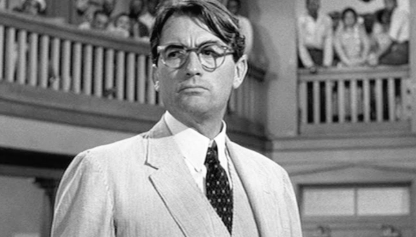
Type: Round + Static
Atticus begins with a strong moral code and largely maintains it despite enormous social pressure.
His purpose is not primarily to learn the moral lesson.
Instead, his constancy helps Scout learn.
Why he works
He becomes a moral reference point against which the changing perceptions of other characters can be measured.
3. Alice — Alice’s Adventures in Wonderland
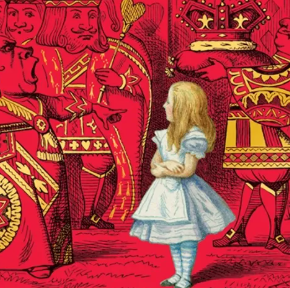
Alice is sometimes classified as a static character because her essential personality remains recognizable despite the extraordinary world surrounding her.
She questions absurdity, reacts to Wonderland’s bizarre rules, and gradually becomes more assertive.
Classification note
Alice is not a perfectly clean example because readers can reasonably interpret her increasing confidence as development.
This illustrates an important principle:
Static vs dynamic characters can sometimes depend on how significant you believe a change must be.
4. Romeo Montague — Romeo and Juliet
Romeo experiences enormous changes in circumstance and emotion.
However, one interpretation views him as relatively static in a crucial trait:
impulsiveness.
He loves intensely.
Acts quickly.
Makes emotionally driven decisions.
And continues doing so even when the stakes become fatal.
Why he is interesting
His tragedy can be read partly as the consequence of a trait that fails to fundamentally change.
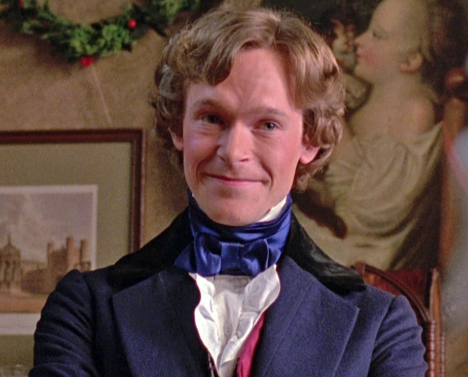
5. Fred — A Christmas Carol
Scrooge’s nephew Fred remains warm, generous, sociable, and optimistic.
He contrasts sharply with Scrooge.
Scrooge transforms.
Fred does not need to.
Why he works
Fred demonstrates that Scrooge’s cynical worldview is not inevitable.
He becomes a living alternative.
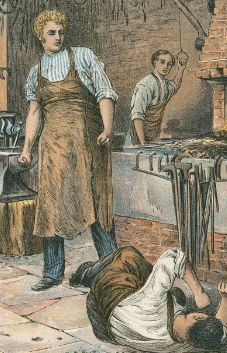
6. Joe Gargery — Great Expectations
Joe remains fundamentally kind, loyal, and decent despite Pip’s changing circumstances and attitudes.
Why he works
His consistency provides emotional contrast to Pip’s changing ambitions and values.
Sometimes the person who stays the same reveals how much the protagonist has changed.
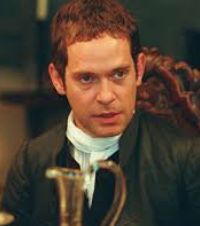
7. Mr. Collins — Pride and Prejudice
Mr. Collins is an excellent example of a comic static character.
He remains:
- Self-important
- Socially awkward
- Obsequious
- Unaware of how other people perceive him
Why he works
His inability to recognize his own absurdity creates much of the humor.
Changing him would actually reduce his function in the story.
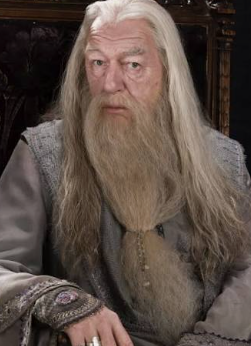
8. Albus Dumbledore — Harry Potter Series
Dumbledore is psychologically layered, with a complicated history and important flaws.
However, during much of Harry’s central journey, he functions as a relatively stable mentor figure.
Classification note
Across his entire life, Dumbledore clearly experienced major transformation.
Within the principal narrative experienced by Harry, however, much of that transformation belongs to his backstory rather than an unfolding present-day arc.
This is why the unit of analysis matters.
A character may be dynamic across a lifetime but static during the particular story being told.
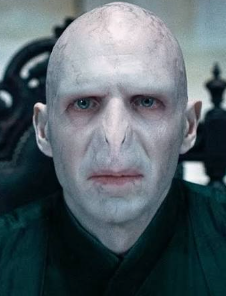
9. Lord Voldemort — Harry Potter Series
Voldemort is one of the strongest static villain examples.
His worldview remains dominated by:
- Fear of death
- Hunger for power
- Belief in superiority
- Contempt for love and vulnerability
The story repeatedly demonstrates the limits of these beliefs.
He never truly learns from them.
Why he works
His refusal to understand love becomes both a defining characteristic and a fatal weakness.
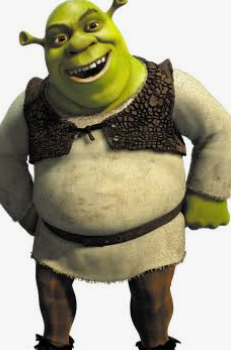
10. Shrek — Shrek Series
Shrek often appears on lists of static character examples, but he requires qualification.
Classification note
Shrek is actually quite dynamic in the first film.
He begins emotionally defensive and isolated and gradually allows intimacy, friendship, and love into his life.
Across an episodic franchise, recognizable parts of his personality remain stable—but calling the first film’s Shrek purely static misses an important emotional arc.
Writing lesson
Never classify a character merely because they retain their sense of humor or personality.
A dynamic character does not need to become unrecognizable.
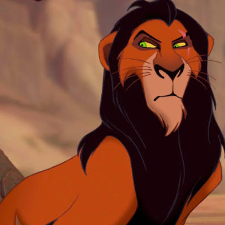
11. Scar — The Lion King
Scar begins manipulative, resentful, ambitious, and power-hungry.
He remains essentially that way.
Even after gaining the kingdom, he does not meaningfully reconsider the worldview that led him there.
Why he works
Scar’s constancy provides a clear moral and political contrast to Simba’s growth.

12. Indiana Jones — Indiana Jones Series
Indiana Jones is often written as a relatively static adventure protagonist.
Different adventures test his skills and expose him to danger, but his recognizable personality persists.
Why he works
Audiences often return to adventure franchises because they want another encounter with the same compelling hero, not necessarily a complete reinvention.
Individual installments may still contain smaller emotional changes.

13. James Bond — James Bond Series
Classic versions of James Bond demonstrate how a static character can thrive in episodic storytelling.
The appeal traditionally comes from recognizable constants:
- Confidence
- Competence
- Resourcefulness
- Risk-taking
- Charm
- Professional identity
The mission changes.
Bond remains Bond.
Classification note
Modern adaptations have sometimes given him more pronounced emotional development, demonstrating again that classification depends on which version or installment you analyze.
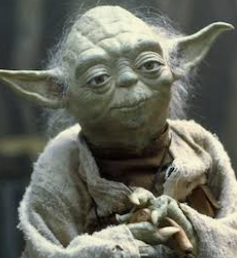
14. Yoda — Star Wars
Yoda functions primarily as a mentor whose established wisdom shapes the protagonist.
His role is not to discover the central lesson alongside Luke.
He already understands much of it.
Why he works
Static mentors often exist because someone in the story must represent knowledge the protagonist has not yet gained.
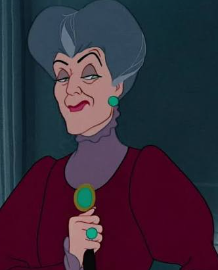
15. Lady Tremaine / Cinderella’s Evil Stepmother — Cinderella
The evil stepmother remains controlling, jealous, and hostile toward Cinderella.
She receives little meaningful internal transformation.
Why she works
Her stable hostility creates the obstacle Cinderella must overcome.
Not every antagonist needs psychological transformation.
Some exist primarily to generate pressure.
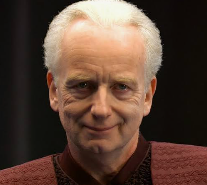
Bonus Static Character Example: Emperor Palpatine
Emperor Palpatine in Return of the Jedi is another useful example.
He does not reconsider his obsession with domination.
He does not discover compassion.
He does not abandon his worldview when challenged.
His unwavering commitment to power helps dramatize the choices made by characters who do change.
That is precisely what a strong static villain can accomplish.
Dynamic Character Examples for Comparison
The difference becomes much clearer when we place static characters beside obvious dynamic character examples.

Ebenezer Scrooge
Scrooge begins miserly, isolated, and emotionally cold.
By the end of A Christmas Carol, his understanding of generosity, relationships, and life has fundamentally changed.
That is a clear character arc.

Prince Zuko
Zuko in Avatar: The Last Airbender is one of the strongest modern examples of a dynamic character.
His understanding of:
- Honor
- Family
- Loyalty
- Morality
- Identity
changes dramatically over the course of the story.
The person making decisions near the end could not plausibly make many of the decisions Zuko makes at the beginning.
That is a useful test for character development.

Elizabeth Bennet
Elizabeth’s personality does not disappear in Pride and Prejudice.
She remains intelligent and spirited.
But her understanding of Darcy—and her confidence in her own judgments—changes significantly.
This demonstrates an important lesson:
Dynamic does not mean completely different.
A convincing character arc changes something fundamental without erasing everything readers liked about the character.
Static Character vs. Dynamic Character: Side-by-Side Example
Imagine two kings who lose a war.
King A
At the beginning:
“I alone know what is best for my kingdom.”
After defeat, betrayal, exile, and the loss of his family, he admits:
“A king who cannot listen cannot lead.”
His underlying worldview changes.
Dynamic character.
King B
At the beginning:
“I alone know what is best for my kingdom.”
After defeat, betrayal, exile, and the loss of his family, he says:
“This happened because nobody obeyed me.”
His worldview survives everything.
Static character.
Both characters can experience the exact same plot.
What separates them is internal transformation.
The Biggest Mistake Writers Make With Static Characters
The biggest mistake is not making a character static.
It is making them unchallenged.
A static character should not remain unchanged because nothing ever pressures them.
Their constancy becomes meaningful when the story gives them reasons to become someone else.
Imagine a loyal knight.
Weak version
The knight is loyal.
Nobody tempts them.
Nobody betrays them.
Loyalty costs nothing.
They remain loyal.
That tells us very little.
Strong version
The knight discovers the king committed a terrible crime.
Their closest friend joins a rebellion.
The knight is offered freedom for betraying the king.
Their family begs them to walk away.
Remaining loyal may cost them everything.
They remain loyal.
Now the reader has something to think about.
The trait did not change.
But our understanding of the trait deepened enormously.
That is excellent characterization.
Static Does Not Mean the Character Cannot Learn Anything
This distinction is subtle but useful.
A character can learn new information without experiencing meaningful internal change.
Sherlock Holmes can discover who committed the murder.
That does not necessarily change Sherlock Holmes.
A soldier can learn the enemy’s location.
A queen can discover that her adviser betrayed her.
A detective can discover the victim’s identity.
Knowledge changes.
Character does not necessarily change.
A dynamic character requires something more fundamental.
Static Does Not Mean Emotionless
A static character can:
- Grieve
- Celebrate
- Become angry
- Experience fear
- Fall temporarily into despair
- Feel love
- Regret an event
- Experience shock
Emotion is not automatically character development.
A person can grieve and remain fundamentally the same person.
A meaningful dynamic change generally alters the framework through which the character understands themselves or the world.
Static Does Not Mean Passive
A static character can be the most active person in the book.
They can:
- Make plans
- Attack
- Investigate
- Escape
- Rescue people
- Manipulate others
- Start revolutions
- Commit crimes
- Solve mysteries
Static describes their internal arc, not their level of activity.
How Many Static Characters Should a Story Have?
Usually, more than you think.
Imagine a novel with twenty named characters.
If all twenty underwent complicated character arcs, the story could become exhausting.
Readers would have to track:
- Twenty emotional journeys
- Twenty changing belief systems
- Twenty climaxes
- Twenty sets of internal conflicts
Most stories concentrate meaningful transformation in a smaller number of major characters.
The remaining characters support those arcs.
That is not lazy writing.
It is narrative focus.
Your protagonist’s sister may not need a complete transformation.
The bartender may not need one.
The detective’s boss may not need one.
The villain’s assistant may not need one.
Give a character the amount of development their narrative importance requires.
When Should You Make a Character Dynamic?
Consider a dynamic character when:
- The story is fundamentally about personal growth
- Their internal flaw creates the central conflict
- The theme requires them to learn something
- Their changing worldview drives major decisions
- Readers need to experience events through their transformation
- Their final choice should contrast sharply with what they would have chosen at the beginning
When Should You Make a Character Static?
Consider a static character when:
- They act as a foil
- They represent a stable worldview
- They function as a mentor
- Their refusal to change creates tragedy
- Their consistency creates comedy
- They provide continuity in a series
- They serve as a moral anchor
- Their worldview creates the central obstacle
- Their role is to expose another character’s transformation
The question is never:
“Which type is better?”
The question is:
“Which type best serves this story?”
A Practical Static Character Framework
When designing your own static character, answer these eight questions.
1. What do they want?
Give them an external goal.
2. What do they believe?
Identify the worldview they will maintain.
3. Why do they believe it?
Connect that belief to experience.
4. What is their greatest strength?
Make them valuable to the story.
5. What is their greatest flaw?
Give constancy a possible cost.
6. What could make a reasonable person change this belief?
Build that pressure into the plot.
7. Why won’t this character change?
This is the heart of the characterization.
8. What happens because they remain unchanged?
Their static nature should create consequences.
If you cannot answer Questions 6–8, the character may not yet be deliberately static.
They may simply be underdeveloped.
The Three-Pressure Test
A simple way to strengthen a static character is to challenge the same belief three different ways.
Suppose a character believes:
“People cannot be trusted.”
Pressure 1: Intellectual
Someone shows evidence that their assumption is wrong.
They reject it.
Pressure 2: Emotional
Someone genuinely loves them.
They remain guarded.
Pressure 3: Consequential
Their refusal to trust someone causes a serious loss.
They still refuse to change.
Now the reader understands something important.
Their worldview is not merely a line of dialogue.
It is part of their identity.
Static Character Checklist
Before finishing your manuscript, ask:
- Does this static character have a clear purpose?
- Do they want something?
- Do they possess strengths as well as flaws?
- Do I understand why they believe what they believe?
- Does the story challenge that belief?
- Could they plausibly change?
- Is there a meaningful reason they do not?
- Does their refusal to change affect the plot?
- Do they reveal something about another character?
- Do they reinforce or challenge the theme?
- Would the story be weaker if I removed them?
If you answer yes to most of these questions, your character is probably static by design, rather than static by accident.

|
Master Your Characters. Now Master Your Manuscript. Levon is an all-in-one author workspace: write chapters, shape your book’s structure, apply professional typography and export a publishing-ready file — built for writers crafting every character with intention. Join the Levon Waitlist → |
Static Character vs. Dynamic Character: The Most Important Principle
Writers sometimes become obsessed with ensuring every character “has an arc.”
That can create unnecessary complexity.
A better principle is:
Every important character needs purpose. Not every important character needs transformation.
Some characters exist to change.
Some exist to resist change.
Some show what happens when people learn.
Others show what happens when they refuse.
Some discover the truth.
Others spend the entire story denying it.
The relationship between those characters can create some of the richest conflict in fiction.
Frequently Asked Questions
What is a static character?
A static character is a character who undergoes little or no meaningful internal change during a story. Their circumstances may change, but their central personality, worldview, beliefs, or values remain largely consistent.
What is a static character example?
Sherlock Holmes is a strong static character example. Across many of his classic adventures, the mystery changes while Holmes’s central personality and worldview remain recognizably stable.
Atticus Finch, Mr. Collins, Voldemort, Scar, and Yoda can also function as useful examples depending on the scope of the story being analyzed.
What is the difference between static and dynamic characters?
The difference between static vs dynamic characters is internal change.
A static character remains fundamentally the same.
A dynamic character experiences meaningful internal transformation.
Is a static character the same as a flat character?
No.
A static character does not significantly change.
A flat character lacks psychological complexity.
A character can therefore be both round and static.
Can a round character be static?
Yes.
A round character can have a rich backstory, complicated motivations, flaws, strengths, fears, relationships, and contradictions while still remaining fundamentally unchanged during the story.
Atticus Finch is frequently used as an example.
Can the main character be static?
Yes.
A protagonist can remain fundamentally unchanged while changing the world or the people around them.
Detective fiction, adventure stories, franchises, and stories built around moral steadfastness frequently use this approach.
Are static characters bad?
No.
Poorly developed characters are bad when the story requires more development.
A deliberately written static character can become a foil, mentor, antagonist, moral anchor, comic figure, thematic symbol, or tragic warning.
Do static characters have character arcs?
They generally do not have a traditional transformation-based character arc.
However, a static protagonist can still experience escalating challenges that test an established worldview.
The drama comes from whether that worldview survives the pressure.
Can a static character be complex?
Absolutely.
Complexity and change are separate characteristics.
A psychologically complicated person who refuses to change can be one of the most interesting people in your story.
Can a villain be a static character?
Yes.
Static villains can be especially effective when their refusal to reconsider a destructive worldview forces the protagonist toward increasingly difficult choices.
Voldemort, Scar, and Emperor Palpatine are useful examples.
Is Sherlock Holmes a static character?
In many of Arthur Conan Doyle’s stories, Sherlock Holmes can be understood as a static character because his essential personality and worldview remain remarkably consistent even as he solves different cases.
Is Atticus Finch a static character?
Within To Kill a Mockingbird, Atticus is commonly interpreted as a round static character. He has psychological depth but largely maintains the same moral principles throughout the story.
Can a character be static in one book and dynamic across a series?
Yes.
This is especially important when analyzing franchises.
A character may remain unchanged during one installment but experience meaningful development across several books or films.
Always define the scope of the story before deciding whether someone is static or dynamic.
Final Takeaway
A static character is not a failed dynamic character.
They serve a different purpose.
The best dynamic characters demonstrate what happens when experience transforms a person.
The best static characters demonstrate what happens when experience doesn’t.
Sometimes that constancy is heroic.
Sometimes it is comforting.
Sometimes it is hilarious.
Sometimes it is horrifying.
And sometimes it is tragic.
The real craft lies in making the choice intentional.
When deciding whether a character should change, ask:
What does my story gain if this person transforms—and what does it gain if they refuse?
Choose the version that creates the strongest conflict, clearest theme, and most satisfying emotional payoff.
Because memorable character development is not simply about making everyone change.
It is about making every character’s relationship with change matter.